Training, not prediction
The model is useful for comparing options and understanding fire behaviour. It is not calibrated to certify a real incident outcome.
AGENT-NATIVE SIMULATOR · WEBMCP
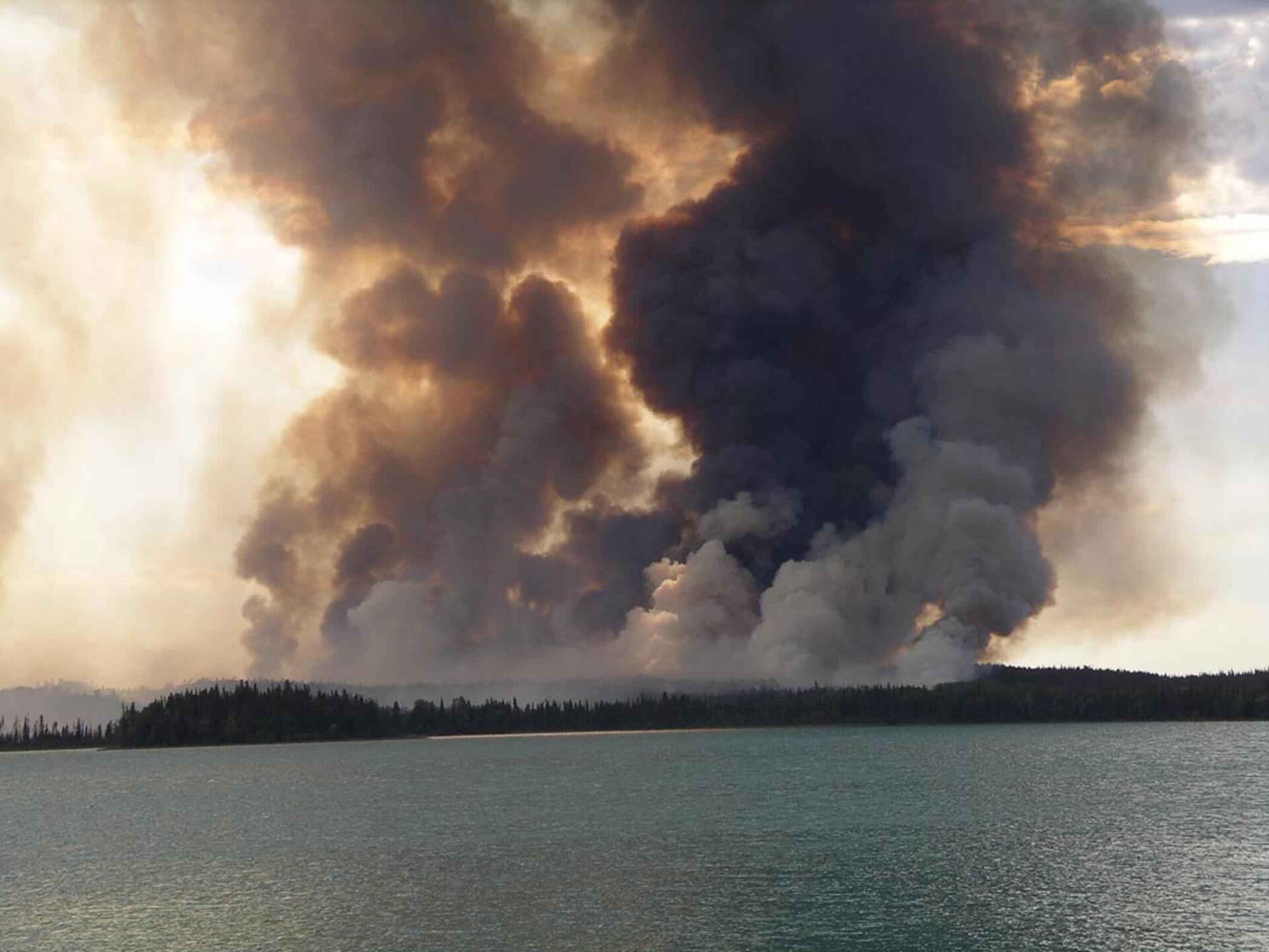
FireNow is a wildfire decision-support and training simulator. The map stays under human control. A WebMCP-capable agent reads the situation, builds a complete plan in a ghost layer, compares strategies against a local physics engine — and stops at a single human approval before anything is committed.
Training beta. It replaces neither the incident commander, nor field data, nor local procedure.
WHAT THE AGENT DOES
The problem with agents that act is the number of confirmations. FireNow solves it by separating what reads, what drafts and what commits. An agent can stage fifty vehicles without interrupting anyone.
6 read-only tools
The agent reads the situation, the weather, the terrain, the fleet and the scenarios. These tools carry the readOnlyHint annotation: they change nothing.
get_situationget_weatherquery_terrainget_fire_forecast7 staging tools
It can open an operational batch, then build it with units, tasks, control lines, tactical burns and evacuation zones. The live exercise changes only when the agent calls commit_plan.
deploy_unitspropose_planstage_deploy_unitsstage_firebreak1 automatic action
commit_plan automatically applies the prepared batch. Every applied action stays reversible.
commit_planrevert_planHOW IT WORKS
FireNow brings the incident picture, a local simulation and proposed actions into one working space. An agent can help read the situation and prepare a plan; the operator reviews every decision that changes the exercise.
THE ENGINE
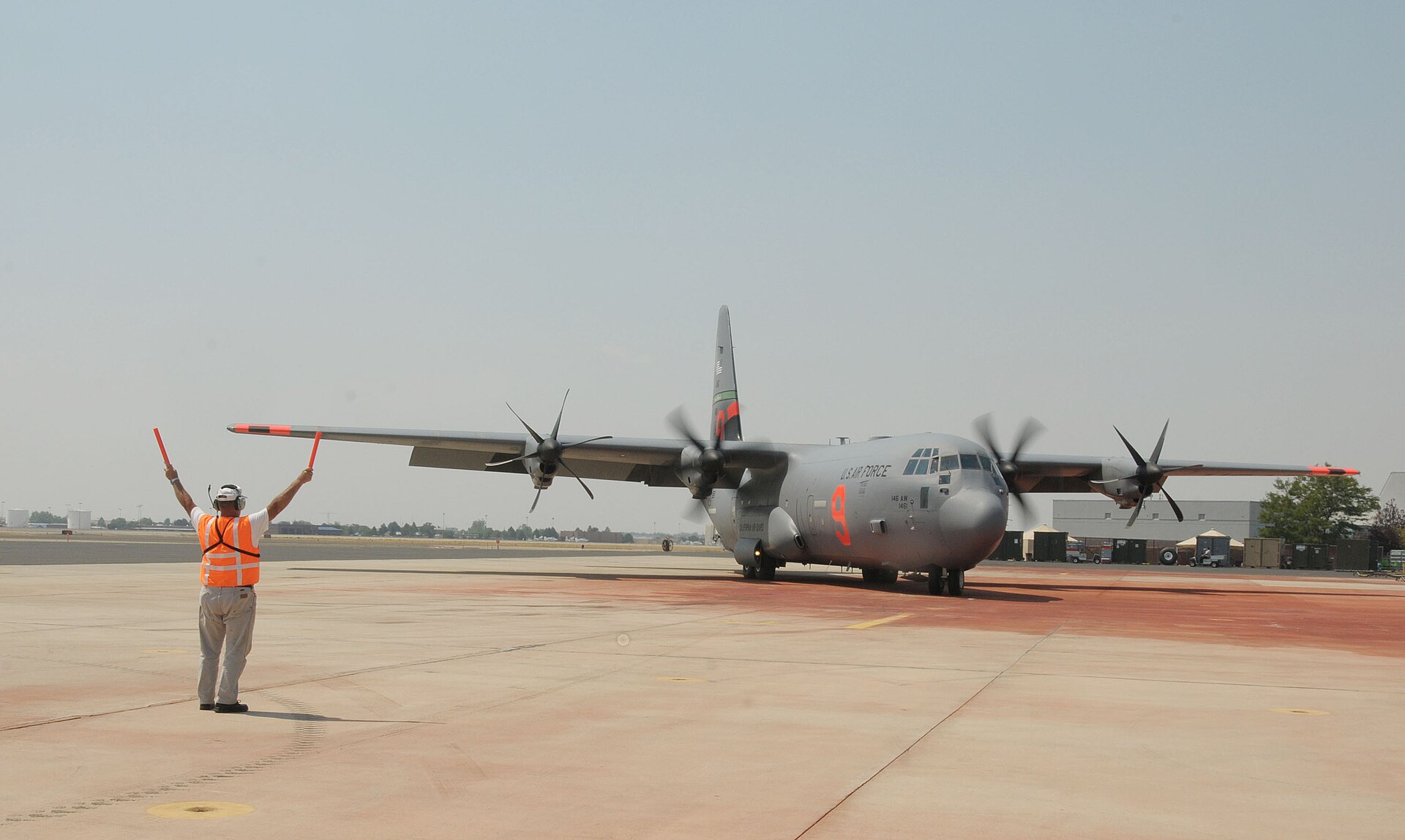
Priority-queue spread, fifteen-minute sub-steps, a diurnal cycle and a real hourly weather series for multi-day runs. The computation never leaves the browser.
CURRENT LIMITS & NEXT STEPS
FireNow is deliberately clear about what it can and cannot represent. It supports a structured exercise and informed discussion; it does not replace operational intelligence, local command procedures or professional judgement.
The model is useful for comparing options and understanding fire behaviour. It is not calibrated to certify a real incident outcome.
Terrain, road and exposure detail is strongest in the areas currently represented by the project. Other exercise areas use a lighter landscape model.
The next step is a clearer handover between roles: field observations, planning assumptions and command decisions should stay attached to the same incident view.
Future collaboration can add team notes, role-based reviews and a traceable decision history while keeping the incident commander in control.
The practical direction is collaboration, not automation for its own sake: richer field observations, clearer shift handovers and shared plan reviews can make an exercise more useful without making unsupported claims about real-world prediction.
THE INPUTS
Each scenario keeps its own ignition, weather and units. Switching simulations pauses the previous one without losing anything.
Replay
Gironde · July 2022
Landes de Gascogne · maritime pine
Replay
Gironde · July 2026
Landes de Gascogne · maritime pine
Exercise
Provence · mistral
Provence limestone · garrigue
Replay
California · August 2026
Cismontane chaparral
Training
Free starting point
Set by the framing
OPERATIONAL ACCESS
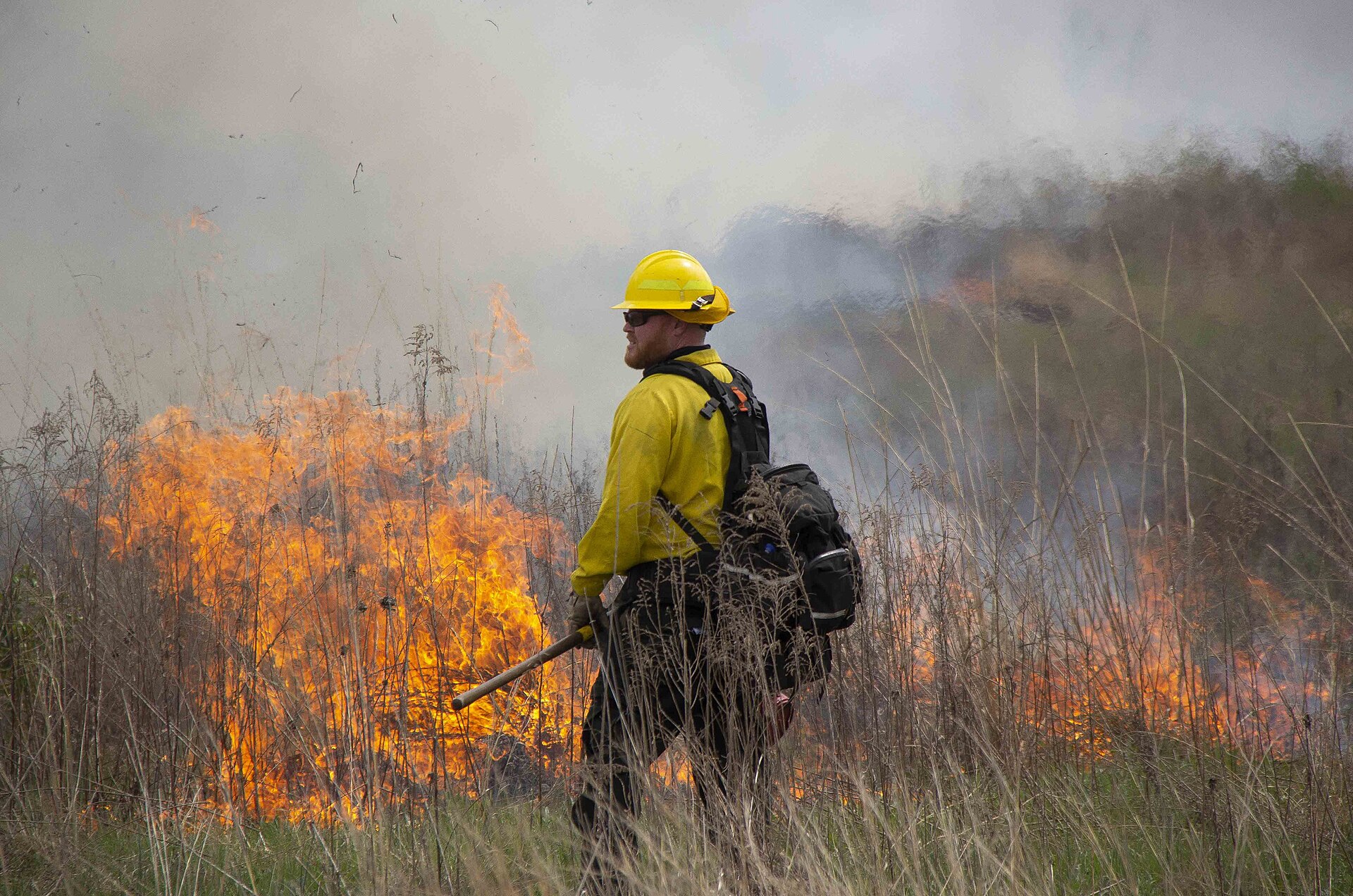
Create an account, open the map, then let a WebMCP-capable agent work in the same tab. A new account opens the console on a five-step tour, which you can skip and replay at any time from the help menu.